Crisis in the Dark: Why it is so Important to be Prepared
Don Goldberg
Waiting out a blizzard that shuts down half of the country for days—including the Washington, D.C. region where I live—gives me some extra time to do research I typically wouldn’t get around to. So I decided to ask AI to take a look at major crises from the past several years where companies were wholly […]
Waiting out a blizzard that shuts down half of the country for days—including the Washington, D.C. region where I live—gives me some extra time to do research I typically wouldn’t get around to. So I decided to ask AI to take a look at major crises from the past several years where companies were wholly unprepared to tackle the event. I looked at three different types of companies or organizations and will address each in a separate article. The answers were instructive for both crisis preparedness and for using AI engines.
For the first query, I asked ChatGPT to “list three major news scandals from the past five years, not political, where the company was caught totally unprepared.” Here are three major non-political news scandals identified by AI from the past five years where the organizations involved were widely seen as caught flat-footed, with weak preparedness, poor crisis response, or both:
FTX Collapse (2022)
What happened: The cryptocurrency exchange imploded almost overnight after revelations that customer funds were improperly used by its affiliated trading firm, Alameda Research.
Why they were unprepared: No credible internal controls, accounting systems, or risk management, plus the leadership appeared genuinely shocked by the speed of the collapse (just read Michael Lewis’ book and podcast on the collapse to understand how far in denial they were). In addition, FTX’s crisis communications were chaotic, contradictory, and largely absent.
The result: Bankruptcy, criminal convictions for senior leadership, and billions in customer losses. The speed and scale of the failure suggested FTX had never seriously planned for a liquidity or credibility crisis.
Colonial Pipeline Ransomware Attack (2021)
What happened: A ransomware attack shut down the largest fuel pipeline in the U.S., triggering gas shortages and panic buying across multiple states.
Why they were unprepared: Weak cybersecurity hygiene and outdated systems; no effective contingency plan for operational shutdown; poor initial communication created confusion and public anxiety.
The result: The company paid a ransom, suffered reputational damage, and became a case study in how operational resilience failures can instantly become national crises.
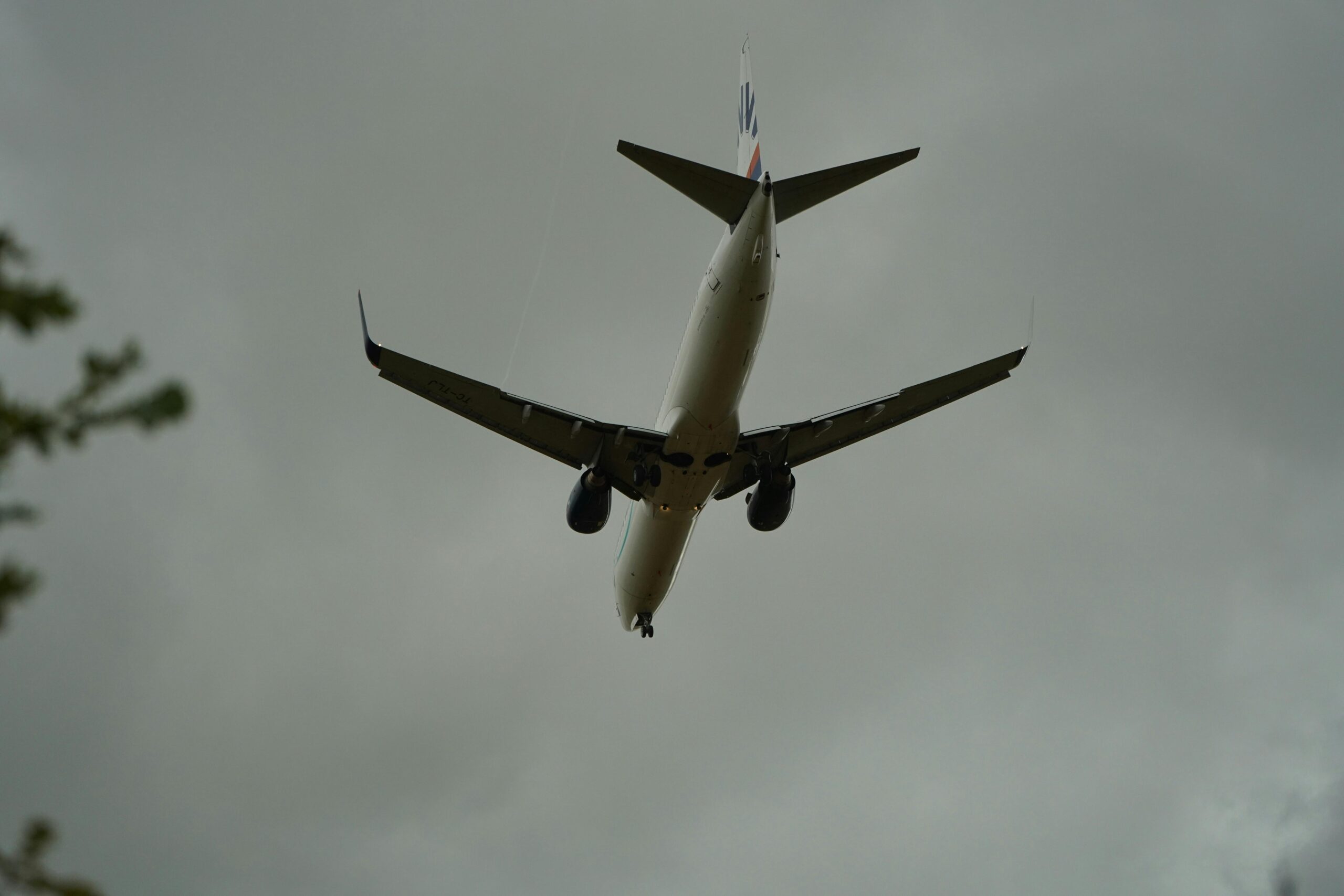
Boeing 737-9 MAX Door-Plug Blowout (2024)
What happened: A mid-air fuselage panel blowout on an Alaska Airlines flight forced emergency landings and grounded dozens of aircraft.
Why they were unprepared: Slow, defensive initial response rather than rapid accountability; unclear quality-control ownership between Boeing and suppliers; regulators, not Boeing, drove the crisis narrative.
The result: Global PR crisis, renewed FAA scrutiny, production slowdowns, and further erosion of trust. Boeing appeared organizationally numb to this crisis, despite years of prior warnings.
There’s a clear pattern across all three of these examples. Each case shows a company optimized for growth or efficiency—but not for failure scenarios. The scandals weren’t just about wrongdoing or bad luck; they exposed organizations that had not seriously rehearsed their worst day, operationally or reputationally.
These are extreme cases of why companies and organizations need to add crisis preparedness to their routine operations. While not every organization will face scandals of this magnitude, the lessons are universal: prepare for failure scenarios before they happen, establish clear crisis protocols, and ensure your team has rehearsed responses to potential worst-case scenarios.
Part 2 will explore crisis disasters that did not involve well-known companies.